The Xiaomi M365 is tremendous fun. It is also capable of turning a simple puncture into an afternoon of pain, anguish and questioning every design decision that led you there.
Both things can be true.
I originally put together my review after a week of ownership, when everything was glorious, sparkly and full of promise. Then I started reading about the problems people were having after longer use. Publishing nothing but enthusiasm suddenly felt rather unfair. So I shelved it and kept using the scooter.
Six months later, I have a much better answer to the important question: is the Xiaomi M365 a good electric scooter, or an attractive collection of parts waiting to annoy you? Honestly, it is a bit of both.
This review reflects my experience and pricing in June 2019. The legal discussion is also from that period, rather than a statement of present-day rules.
Quick Summary
- The Xiaomi M365 remained enormously enjoyable after six months, despite frustrating maintenance and design flaws.
- My scooter needed brake adjustment because its out-of-box stopping performance was disappointing.
- A rear puncture exposed exceptionally difficult tyre replacement and prompted my switch to a solid rear tyre.
- Folding hardware, seller support and readable safety labels deserve attention before buying.
Table of Contents
- First Impressions: A Proper Step Up
- The Brakes Needed Attention Straight Away
- Ride Quality: Why I Liked It So Much
- The Rear Puncture That Nearly Finished Me Off
- Folding Mechanism Problems and Handlebar Wobble
- UK Electric Scooter Laws: The June 2019 Frustration
- Price and Buying Advice: Think Beyond the Cheapest Import
- Verdict: Flawed, Frustrating and Still Enormous Fun
First Impressions: A Proper Step Up
I was immensely excited to try the M365. I already liked Xiaomi products, and I had enjoyed the previous electric scooter I tested, the more basic SmartMe T5. Putting the two together felt like getting chips and rice. An excellent combination, as far as I am concerned.
Out of the box, the Xiaomi looked lovely. More importantly, it felt like something you could genuinely use regularly, rather than a novelty that would be abandoned after a few outings.
Assembly was straightforward. The handlebars arrived loose, so the job was simply to fit them into the stem and secure the four Allen-key bolts. There was very little standing between opening the box and getting the scooter assembled.
Xiaomi M365 Specifications and Useful Details
For a mid-range electric scooter, the headline specification was appealing:
- Claimed top speed: 25 km/h.
- Claimed maximum range: 30 km.
- Maximum load: 100 kg.
- Braking: A mechanical disc brake assisted by regenerative braking.
- Tyres: Air-filled tyres as standard.
- Folding: A single main hinge, with the bell mechanism doubling as the folded-scooter catch.
Those speed and distance figures need some perspective. Performance can vary considerably depending on how close the rider is to the maximum load. Treat the advertised numbers as claims, not a promise that every person will get identical results.
There are some genuinely thoughtful little touches, too. The rubber-lined footboard provides useful grip, the rear light flashes when the brake lever is squeezed, and the kickstand is handy. The deck grip is welcome in colder or damp conditions, although that should not be mistaken for a recommendation to ride in the rain.
The folding arrangement is particularly neat. Release the catch, unfold the stem and secure the hinge. It is the sort of simple design that makes an excellent first impression. Unfortunately, long-term ownership reveals a few less excellent details.
The Brakes Needed Attention Straight Away
The first thing I wanted to test properly was the braking. A scooter can look marvellous sitting on a table, but stopping matters rather more than looking marvellous.
During my initial test, I accelerated downhill and then applied the brakes. The stopping distance was approximately 34 feet, measured very roughly on foot.
That was not a controlled laboratory test. It involved a slope, a fast approach and an approximate measurement, so it should not be treated as a universal M365 stopping-distance figure. It was, however, more than enough to tell me that the brakes on my scooter were not sufficiently responsive straight out of the box.
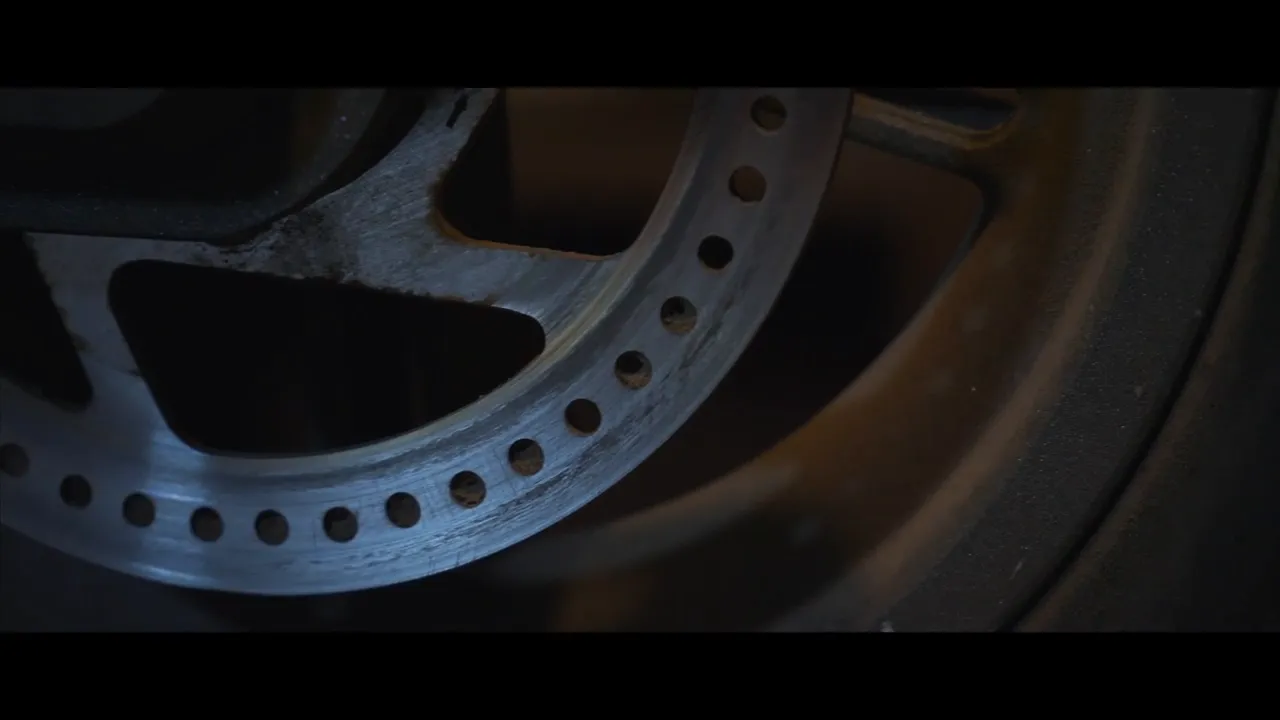
I needed to adjust the brakes to make them respond more promptly. At gentle speeds, the original setup might not have felt especially alarming. With speed and a downhill gradient involved, it was a different matter entirely.
Do not assume that a newly assembled scooter is ready for fast riding simply because the handlebars are attached. My experience made checking the braking performance an essential part of setup. If it does not stop confidently, that needs sorting before relying on it.
What About the Early Regenerative-Braking Fault?
There was also an older issue worth separating from my own braking experience. Reports about early M365 versions described regenerative braking causing an electrical overload, blowing a fuse and leaving the scooter unusable. Repair could involve opening the battery area and become an expensive faff.
By June 2019, my understanding was that revisions had addressed that problem through software changes and, as far as I was aware, changes to fuse protection. I did not experience that failure myself.
The distinction matters when researching this scooter: an early-version electrical fault and a poorly adjusted mechanical brake are not the same problem. Equally, my understanding of revised models is not a guarantee about every individual scooter, particularly an older imported unit.
Ride Quality: Why I Liked It So Much
The air-filled tyres made a huge difference to my initial impression of the M365.
My previous scooter experience had been with solid tyres. Moving to pneumatic tyres noticeably softened the ride, absorbing a good deal of the vibration coming through from the road. Even when the scooter felt brisk, the ride itself was impressively smooth.
It also felt quicker than the scooters I had tried before. At times, that speed was a little intimidating, but the combination of pace and comfort was enormously enjoyable.
This is the part that can get lost once you begin listing faults. When the M365 is working properly, the actual business of riding it is lovely. It provides a sense of freedom that is difficult to convey through a specification sheet.
Unfortunately, the tyres responsible for much of that comfort also introduced my biggest ownership headache.
The Rear Puncture That Nearly Finished Me Off
About four months into ownership, using the scooter for roughly four journeys a week, I got a rear puncture.
I had heard that changing an M365 tyre was difficult. I had absolutely no idea what I was in for.
Removing the tyre took some effort. Fitting a replacement inner tube and getting the tyre back onto the wheel was much worse. At one point, it took four pairs of hands to get the thing back on.
Eventually, success. Or so I thought.
I inflated the tyre and discovered that I had damaged the new inner tube while fitting it. Which meant doing the whole miserable job again.
It was one of the most frustrating maintenance tasks I have ever attempted. A puncture is hardly an extraordinary event for an air-filled tyre, and dealing with one should not feel like a personal battle against the Ministry of Bad Design.
Why I Switched to a Solid Rear Tyre
By that point, I had lost the will to repeat the exercise. I replaced the rear tyre with a solid one, purely to avoid another punctured inner tube at that end.
Fitting the solid tyre was also horrible. I resorted to heating it in boiling water for about ten minutes to soften it, then wrestling it onto the small wheel and deep rim. There was damaged skin, a great deal of frustration, and considerably less dignity than I would have liked.
I also resorted to gun grease and WD-40, which I would not recommend. Lubricating that interface can create a risk of the tyre slipping on the hub. This was an account of a desperate repair attempt, not a fitting method to copy.
The rear tyre was eventually on, and it stayed on. My front tyre remained air-filled, and at the six-month point it had not punctured. I was very much hoping it would keep things that way.
Did the Solid Tyre Ruin the Ride?
Not nearly as much as I expected.
I could definitely feel that the rear tyre was solid, but the overall change in ride quality was not enormous for me. It was a compromise I was happy to accept after the inner-tube ordeal.
I had read warnings that solid tyres could transmit enough vibration to loosen internal components or damage battery connections. I had not experienced that, and my friend Joe had been running solid tyres on both wheels for six months without those problems.
That is reassuring personal experience, not proof that the risk does not exist. Two scooters are not a durability study. My conclusion was simply that the solid rear tyre was working for me, and Joe's setup was working for him.
Folding Mechanism Problems and Handlebar Wobble
The tyres were not the only long-term concern being discussed by owners. The folding mechanism was another area to pay attention to.
Joe had experienced a breakage in the locking hardware around the hinge mechanism. Replacement bolts were available, including stronger alternatives intended to be less likely to fail. For someone using the scooter frequently, that was an area I thought worth investigating.
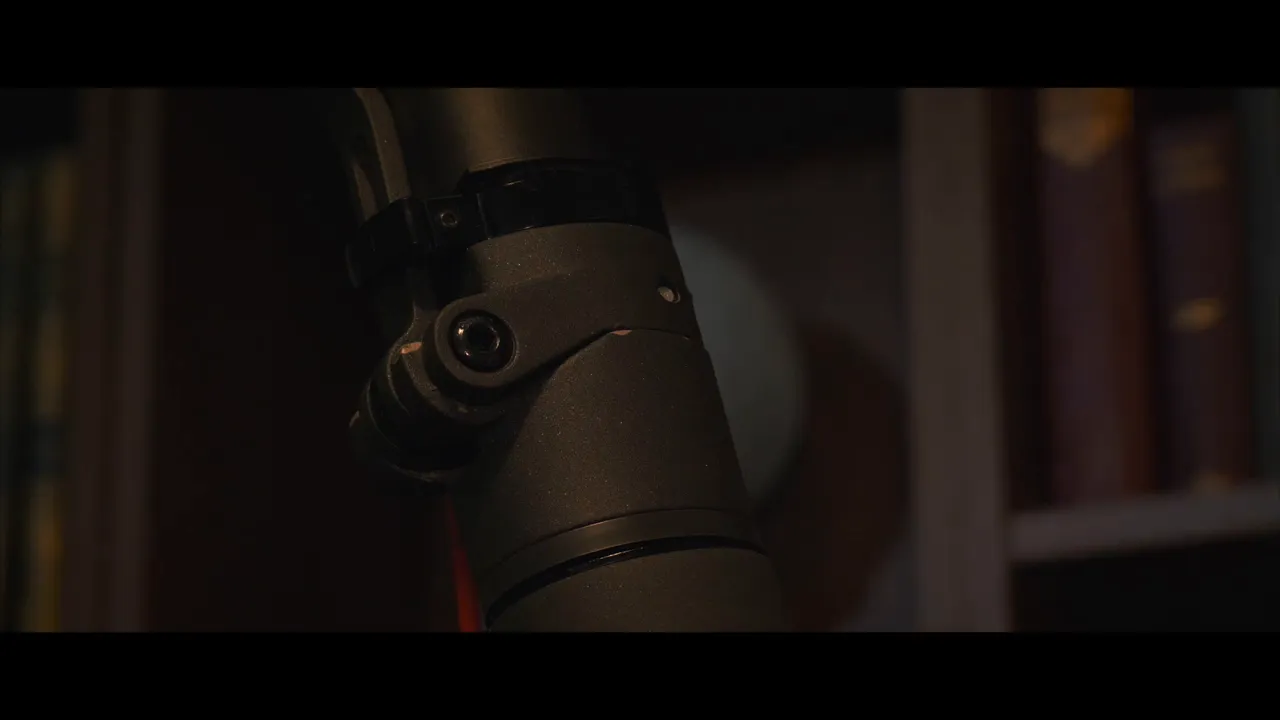
My own scooter had not suffered that failure. It also had very little of the handlebar wobble that some owners reported.
One accessory sold to address play in the joint was a small rubber spacer that sat within the folding mechanism. Different thicknesses were available to take up different amounts of slack.
It is important to separate those two issues. A spacer intended to reduce play is not a repair for broken locking hardware. The useful takeaway is that the hinge deserves inspection, rather than being something you fold, unfold and forget about indefinitely.
My M365 had been reasonably good in this area, but the experiences of other owners stopped me treating it as a fit-and-forget design.
UK Electric Scooter Laws: The June 2019 Frustration
One of my greatest frustrations with the M365 had nothing to do with Xiaomi.
At the time of this review, in June 2019, riding it on UK public roads was not legal. Pavement use was also constrained by legislation with roots stretching back to the nineteenth century, including Section 72 of the Highways Act 1835.
Reading legal language about horses, livestock, carriages and sledges while discussing a modern electric scooter felt rather absurd. That pavement provision was part of the discussion, though not a complete explanation of every road-use restriction.
For a purchasing or riding decision today, check the official guidance on powered transporters and the rules applicable to your location. A historical product review is not current legal advice.
I had recently been to Vilnius in Lithuania, where electric scooters were in use. The particular scooter I tried there was alarmingly wobbly and poorly maintained, which was its own reminder that access alone is not enough. The equipment still needs looking after.
Even so, I wanted the UK to take personal light electric vehicles seriously. Electricity can come from wind, waves or solar power, and the possibility of charging a small personal vehicle using your own solar panels is appealing.
That is not the same as claiming every scooter journey is automatically environmentally harmless. It is an argument for giving this kind of transport proper consideration, with sensible rules, rather than dismissing its potential.
Price and Buying Advice: Think Beyond the Cheapest Import
When I checked prices in June 2019, the Xiaomi M365 was generally around £400. Despite everything I have complained about, I thought it was a good machine for that money.
Where you buy it matters, though.
I ordered mine directly from China and waited approximately three months for it to arrive. I am not a patient man, so that was already less than ideal.
More importantly, I started thinking about what would happen if it arrived broken. An overseas return, followed by another shipment, could turn a disappointing delivery into a very long saga. That did not happen to my scooter, but the possibility was enough to make me favour buying closer to home next time.
There was another drawback to my imported version: the labels and warnings were in Chinese, which I could not read.
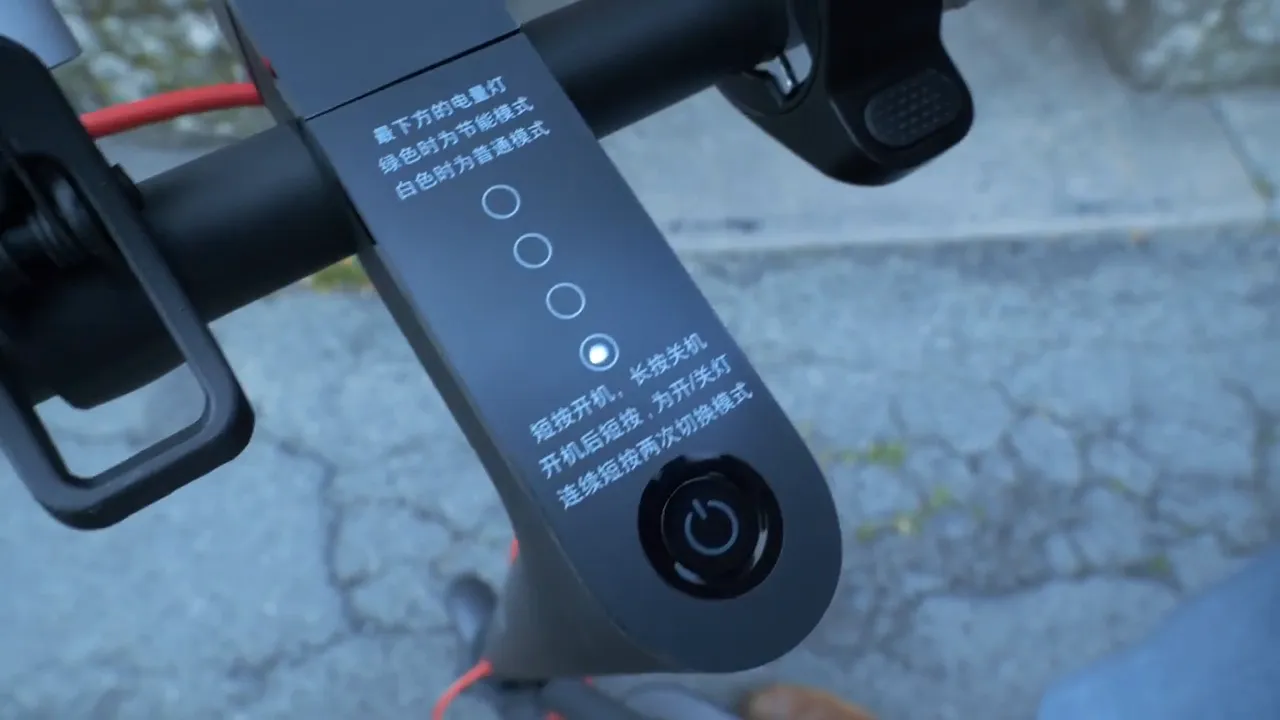
That included text around the controls and warning labels elsewhere on the scooter. An exclamation mark is not terribly informative when you cannot understand the words next to it.
It is easy to laugh about, but understanding safety information is a genuine consideration. Delivery time, returns arrangements and readable documentation all belong in the buying decision alongside the price.
Verdict: Flawed, Frustrating and Still Enormous Fun
After six months, I could not honestly describe the Xiaomi M365 as a perfect machine. Mine needed brake adjustment, the rear puncture became a ridiculous maintenance ordeal, and other owners had experienced problems with folding hardware and wobble.
Those are meaningful drawbacks, not little details to bury beneath a glowing recommendation.
Yet I thoroughly enjoyed using it.
At around £400 in June 2019, the M365 offered an attractive way into electric scootering. The comfortable original tyres, brisk feel, useful folding design and sheer enjoyment made it much more than a list of faults.
My recommendation comes down to your tolerance for maintenance. If you want something that will never ask for adjustment, repair or a frustrating afternoon with a tyre, my experience should give you pause. If you are prepared for some hands-on ownership and have somewhere legal to use it, there is an immense amount of enjoyment here.
The M365 managed to irritate me enormously without making me stop liking it. That probably tells you more than any headline specification could.
|


